The Many Seats at the AI Governance Table
I was on a panel at ILTACON 2026 about legal technology support in the age of AI. Tech support in legal already has unique challenges.
By Rachel Di Martino | 2026-09-11 | 3 min read
Category: AI Governance | Tags: ILTACON 2026, Legal Technology, AI Governance, Law Firms, Technology Support
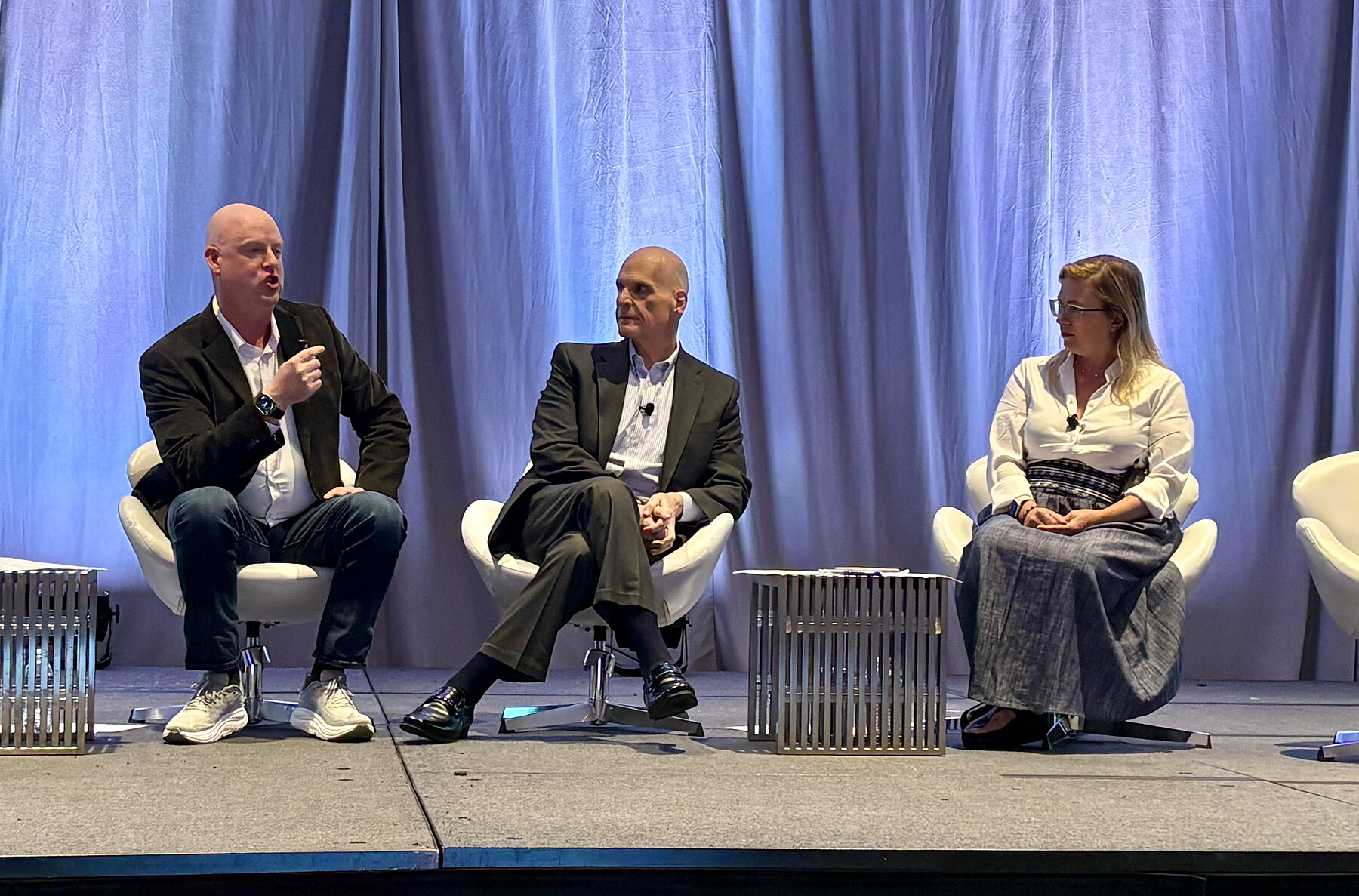
I was on a panel at ILTACON 2026 about legal technology support in the age of AI. Tech support in legal already has unique challenges. AI is solving some old problems and creating some new headaches. It's a minefield and a goldmine.
Who was up there
Paul Buckin, Director of User Experience at Wiley Rein LLP, and Craig Sixta, CTO at Element Technologies. Moderated by Christopher Hayes, who leads support experience at Robinson Bradshaw.
Why I kept coming back to governance
Support in legal can make great use of AI, and they should be empowered to use tools safely and for the right purpose. These teams touch an enormous amount of confidential client material and privileged matter detail just by doing their jobs. If governance gaps show up there first, that can be a sign the same gaps exist everywhere else in the firm, less visibly. And in a law firm, "we'll get to the confidentiality piece eventually" isn't an option.
What I'd tell a firm
If you already have an AI governance policy, don't just check that it's well-written. Check that your back-room teams had input into it. If it's missing daily workflows, it's missing parts that matter.
If you don't have an AI governance policy yet, don't wait for the perfect owner to show up. The people who already know where AI is being used, officially or not, are usually IT and support leaders. They can start writing the first draft.